Playstone: A Playful Display Font for Bold Branding
I was recently tasked with designing a brand identity for a local handmade toy shop, and the first thing I needed was a font that could capture the spirit of creativity and joy. That’s when I stumbled upon Playstone, a display font that immediately caught my eye with its bouncy curves and playful energy.
Bold and Bouncy: The Visual Personality of Playstone
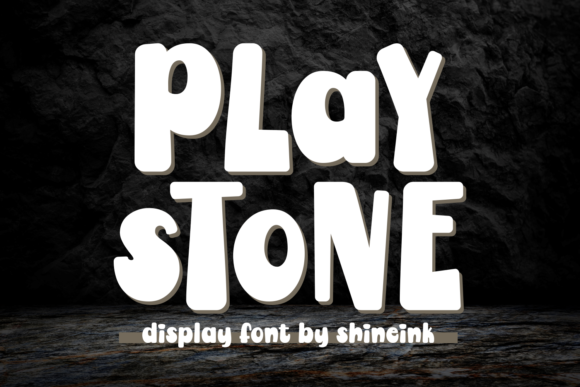
Playstone is exactly what it sounds like — a fun and bold display font that feels like it's bouncing off the page. Its design is full of character, with exaggerated serifs and rounded edges that give it a whimsical yet refined look. It has a certain charm that makes it feel like it belongs in a cartoon or on a child’s toy box, but it also holds up well in more sophisticated contexts.
The font has a unique rhythm to it, almost like a melody. Each letter flows into the next with a sense of movement, making it ideal for headlines, logos, and any visual where you want to draw attention without being too serious. I tested it on a logo concept for the toy shop, and it felt like the perfect match — it had that playful vibe that aligned perfectly with the brand’s mission.
Testing Playstone in Real Design Projects
I used Playstone across several parts of the branding project to see how it performed in different scenarios. On the logo draft, it looked great as a primary typeface, especially when paired with a clean sans-serif font for secondary text. For the brand board, I layered it with other fonts to create a cohesive visual hierarchy. On packaging mockups, it stood out beautifully on product labels and tags, adding a touch of personality without overwhelming the design.
On social media layouts, Playstone added a nice pop of energy to Instagram posts and Facebook banners. It worked well in short phrases and taglines, which is exactly what the font is best suited for. However, I noticed that using it in long paragraphs or small sizes could reduce readability, so it's definitely best used as a display or headline font rather than body text.
When and Where to Use Playstone
Playstone shines brightest in projects that benefit from a playful, approachable aesthetic. It’s an excellent choice for zoo-themed designs, children’s products, comic book covers, and anything with a creative or whimsical tone. I found it particularly useful for packaging design — whether it was a bakery label, a skincare product wrapper, or a handmade gift tag, it brought a sense of fun and uniqueness to each piece.
It can be used as a headline font on websites, especially in hero sections or call-to-action buttons. In web design, it pairs well with modern sans-serif fonts, offering a contrast that keeps the layout visually interesting. For business cards and posters, it adds a memorable touch that helps reinforce brand recognition.
However, if your project requires a more formal or professional tone, Playstone might not be the best fit. It’s not ideal for long-form content, legal documents, or corporate reports where readability and clarity are paramount. Stick to using it for short bursts of text where its boldness can make an impact.
Font Pairing and Practical Tips
One of the things I appreciated about Playstone was how easily it paired with other fonts. When used alongside a clean sans-serif like Helvetica or a serif font like Georgia, it created a balanced look that was both playful and professional. For a more dynamic feel, I experimented with pairing it with a script font for accents or decorative elements, which worked well in editorial design and promotional materials.
If you're considering using Playstone in client work, I recommend testing it thoroughly before finalizing any designs. Try it in different weights, sizes, and colors to see how it behaves in various contexts. Also, don’t forget to check the commercial licensing terms — ensuring you have the right to use it in print, digital, or merchandise is essential for any designer working on client projects.
Overall, Playstone is a versatile and expressive display font that brings a sense of fun and creativity to any design. Whether you’re working on a brand identity, packaging design, or social media assets, it’s worth exploring for its ability to add personality and visual interest to your work.